https://friends.omsoftsolution.net.in/ situs toto slot sumseltoto slot 10k sumsel toto ====================================================================

situs toto

sumseltoto

https://buhucheta.net/

sumseltoto

sumsel toto

situs toto

situs toto

situs toto

situs toto

situs toto

situs toto

situs toto

situs toto

situs toto

situs toto

situs toto

situs toto

situs toto

situs toto

sumseltoto

sumseltoto

situs toto

situs toto

sumseltoto

sumseltoto link

sumseltoto login

sumseltoto togel

sumseltoto link alternatif

sumseltoto login alternatif

sumseltoto togel online

sumseltoto

sumseltoto

sumseltoto

toto togel

sumseltoto

macauhoki.id/

macauhoki.co.id/

macauhoki.blog/

macauhoki.it.com/

balibet

balibet

balibet

balibet

macauhoki

slot gacor hari ini

slot gacor hari ini

toto togel

Territory of Uzbekistan in the bronze age

View:

front.font_size

search-logo

Territory of Uzbekistan in the bronze age

fotogalereya_in

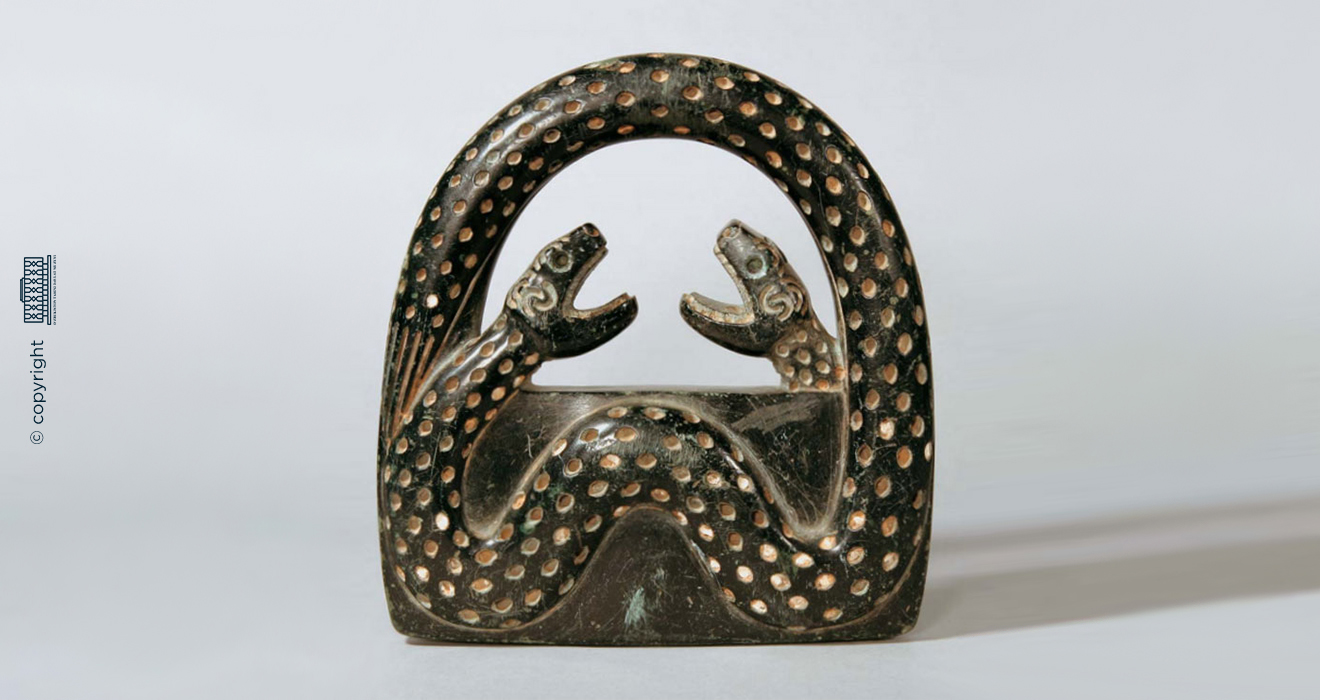
"STONE AMULET DEPICTING TWO SNAKES Stone amulet (or weight?) with the representation of two spotted snakes found in the Sokh River delta in the Ferghana Valley in 1893. It has a horseshoe-like shape, sawn out of the stone and with a polished surface. End of 2nd millennium BC. Sokh. The Ferghana region. "

fotogalereya_in

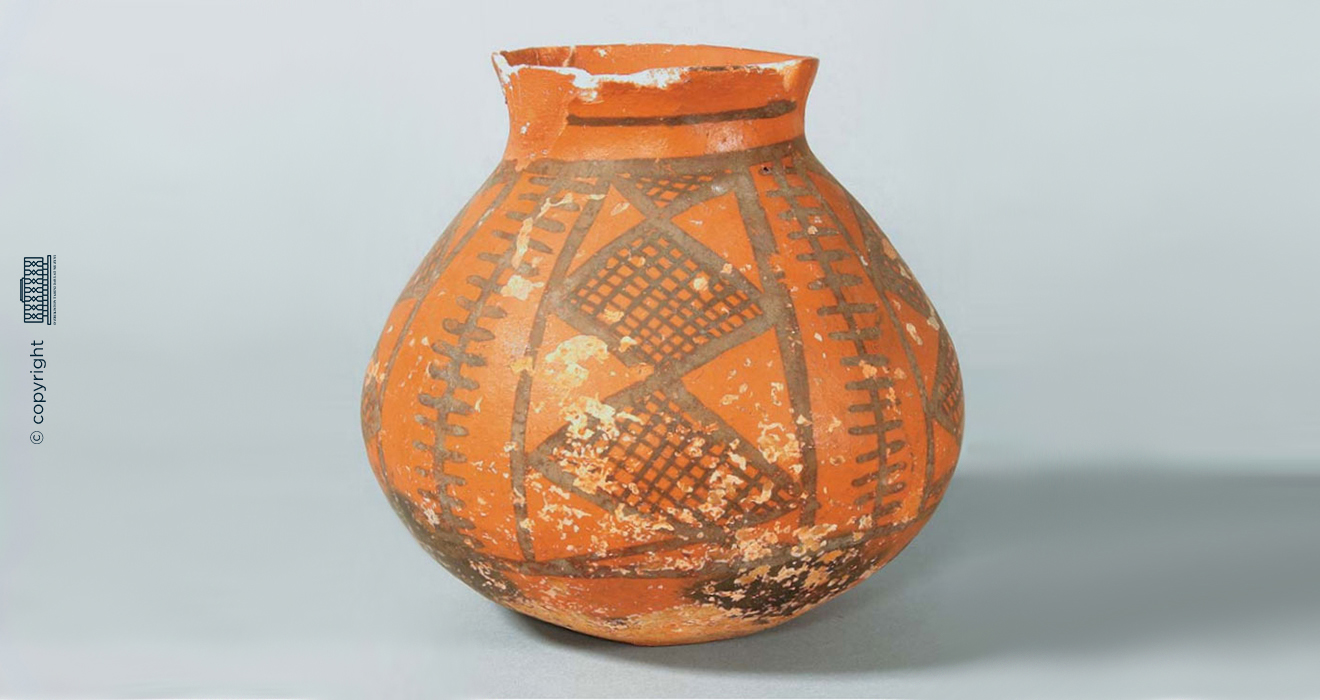
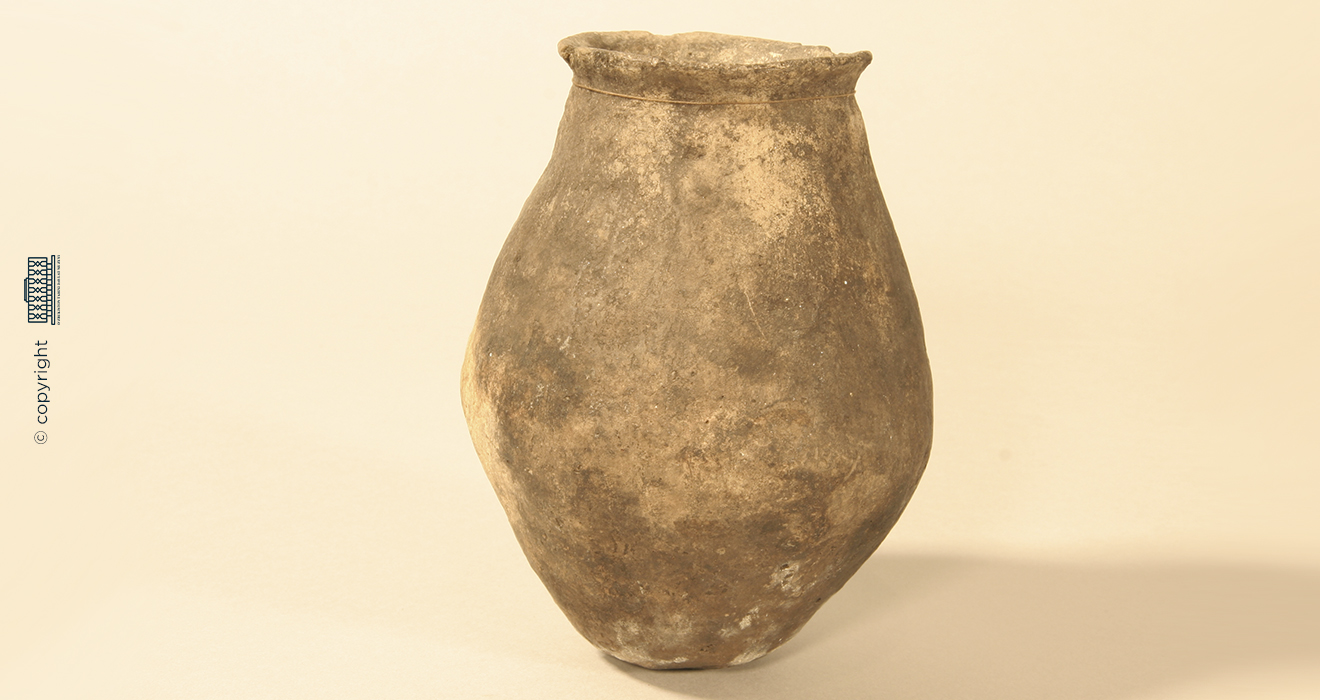
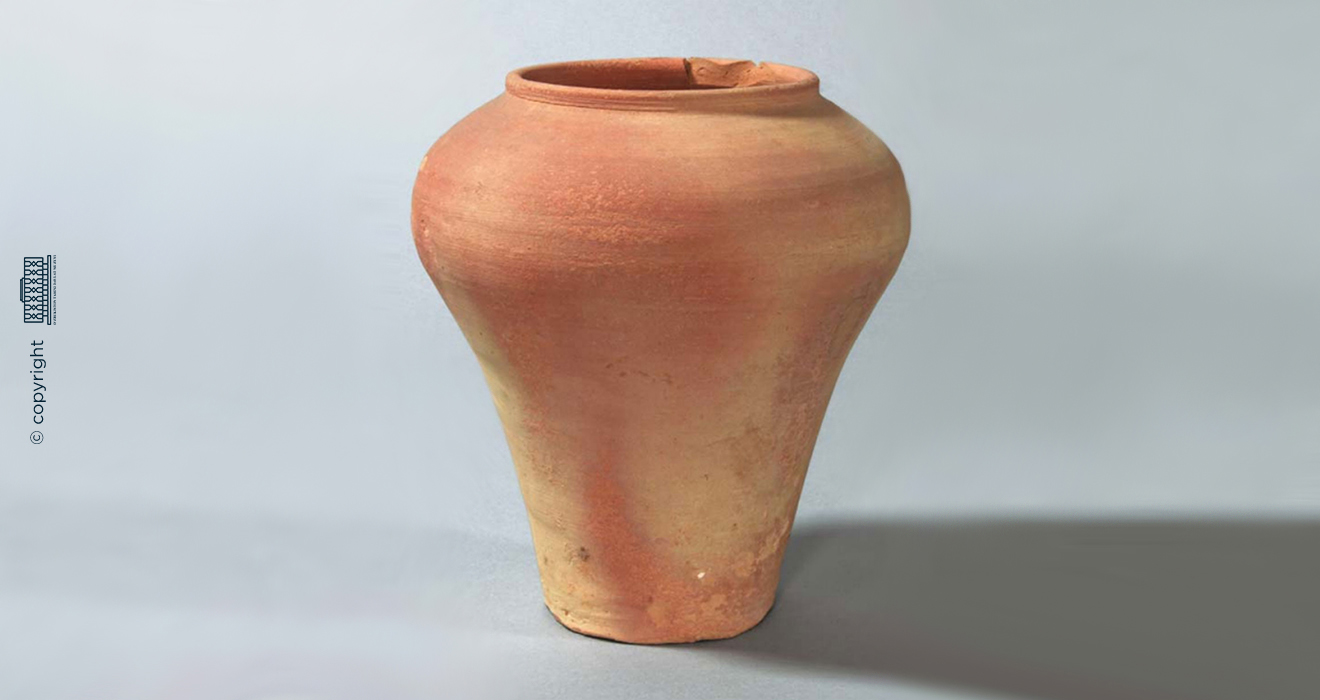
CERAMIC VESSEL 17th-16th century BC. Sapallitepa. The Surkhandarya region.

fotogalereya_in

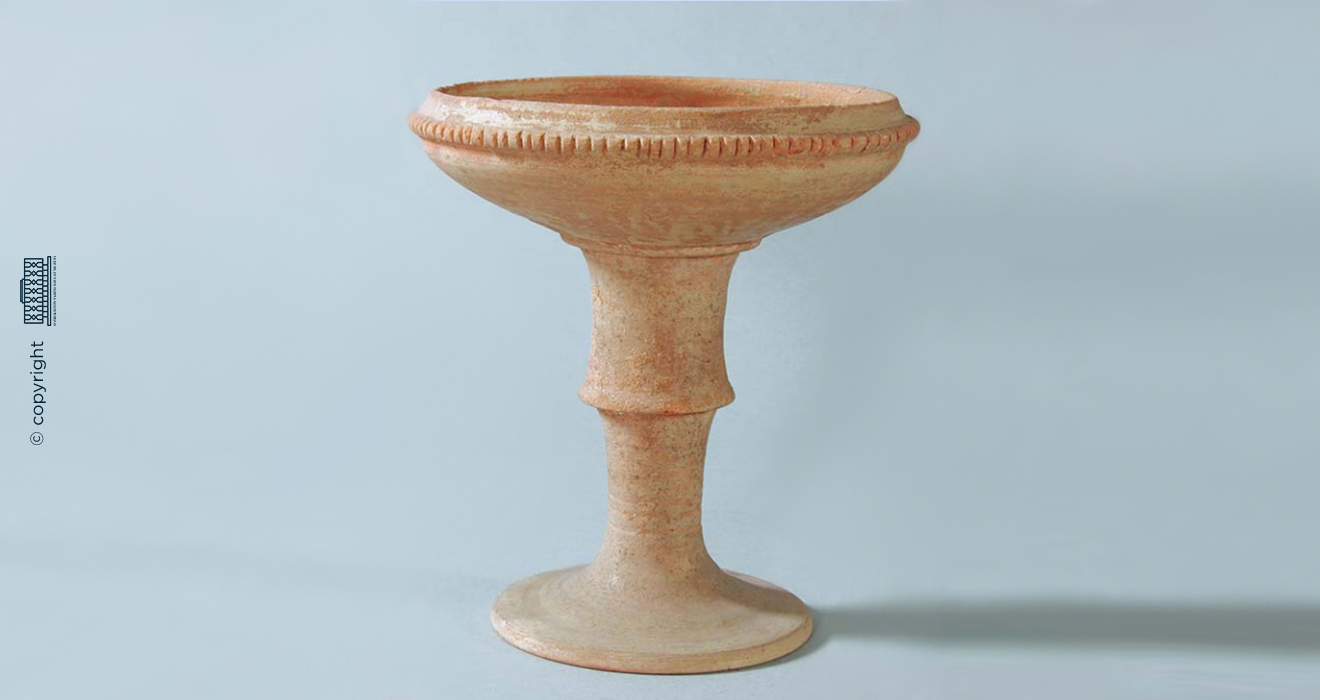
CERAMIC VASE 2nd millennium BC. Djarkutan. The Surkhandarya region.

fotogalereya_in

CERAMIC POT 11th-10th century BC. Dalverzin. The Namangan region.

fotogalereya_in

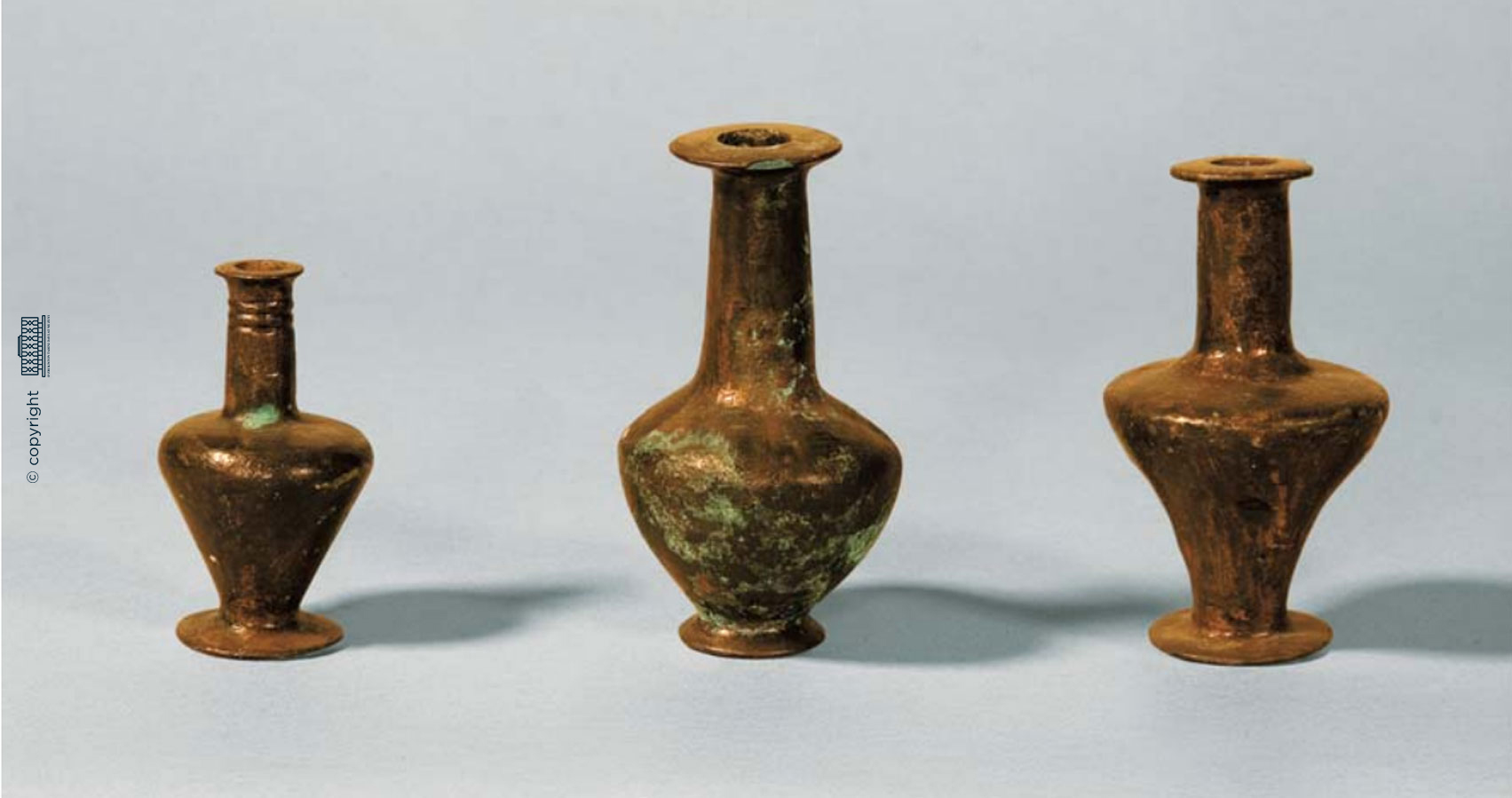
VESSELS FOR COSMETICS (SURMADON) Bronze, cast. 17th-16th century BC. Sapallitepa. The Surkhandarya region.

fotogalereya_in

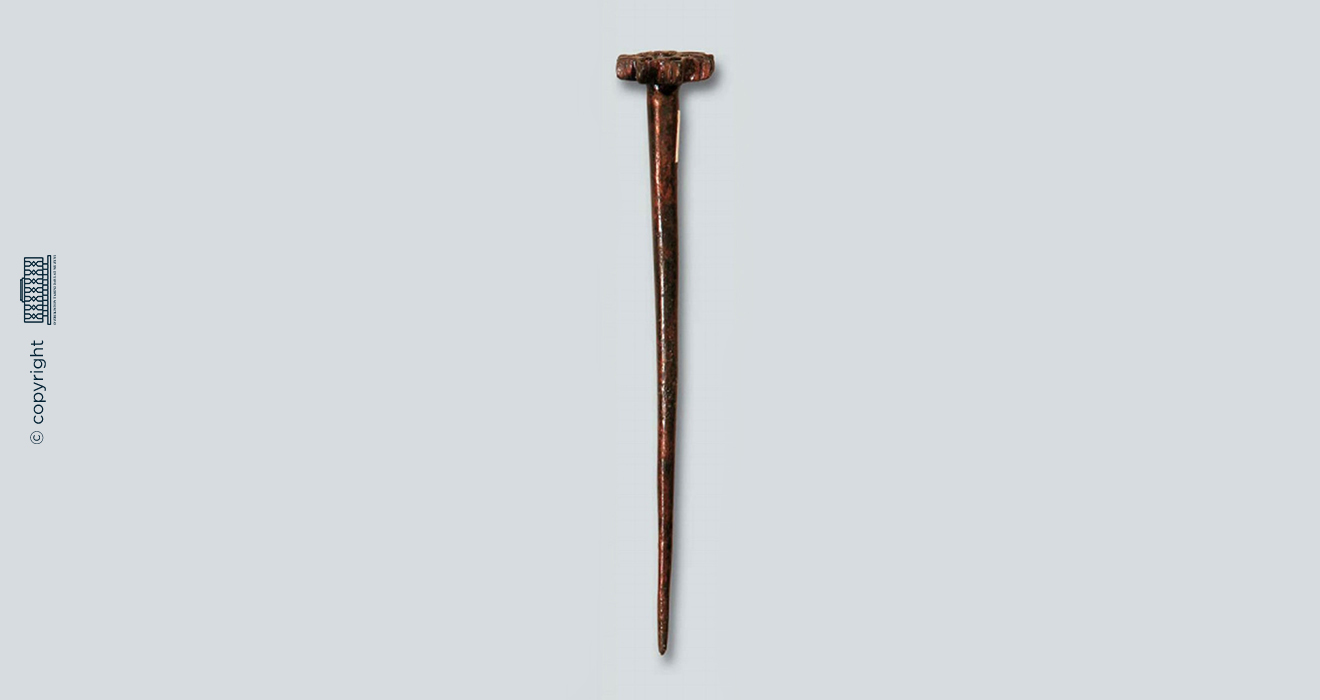
HAIRPIN Bronze, cast. The head of the pin is in the form of an eight-petalled rosette. 17th-16th century BC. Sapallitepa. The Surkhandarya region.

fotogalereya_in

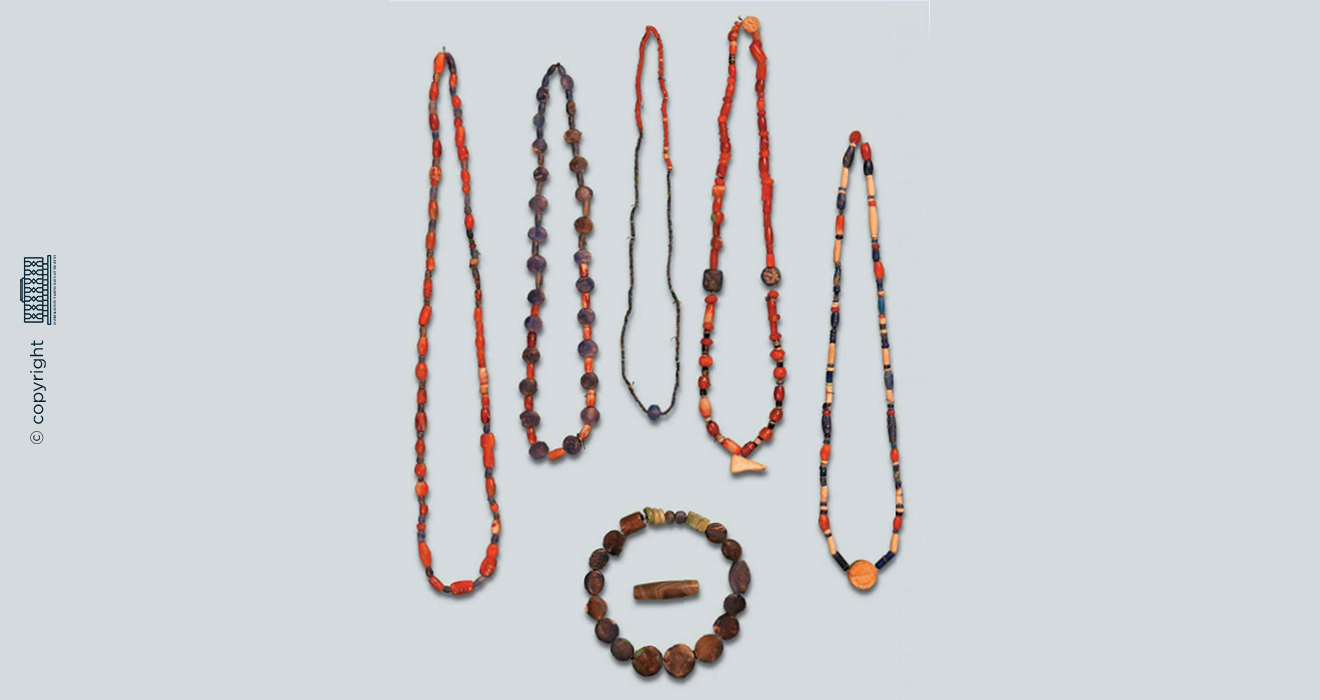
BEADS Stone, carved, polished, drilled. Cornelian, lazurite, white stone, turquoise. 17th-16th century BC. Sapallitepa. The Surkhandarya region.

fotogalereya_in

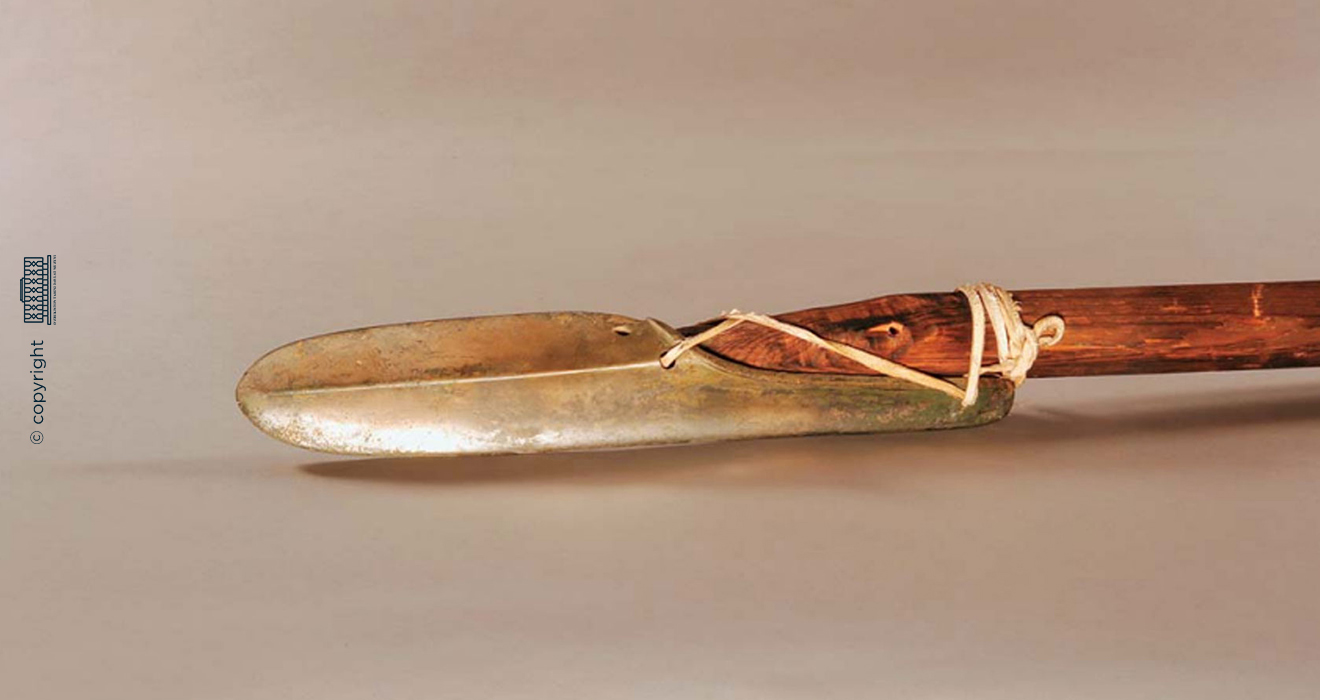
POLE-AXE Bronze, cast. It is broad and long with a rounded end. The upper part is grooved to form two sharp edges. The axe is attached to the pole with the help of two holes at the end of the blade and one hole in the bit that protrudes behind. Late 2nd- beginning 1st millennium BC. Brichmulla. The Tashkent region.
fotogalereya_in

Territory of Uzbekistan in the bronze age

fotogalereya_in

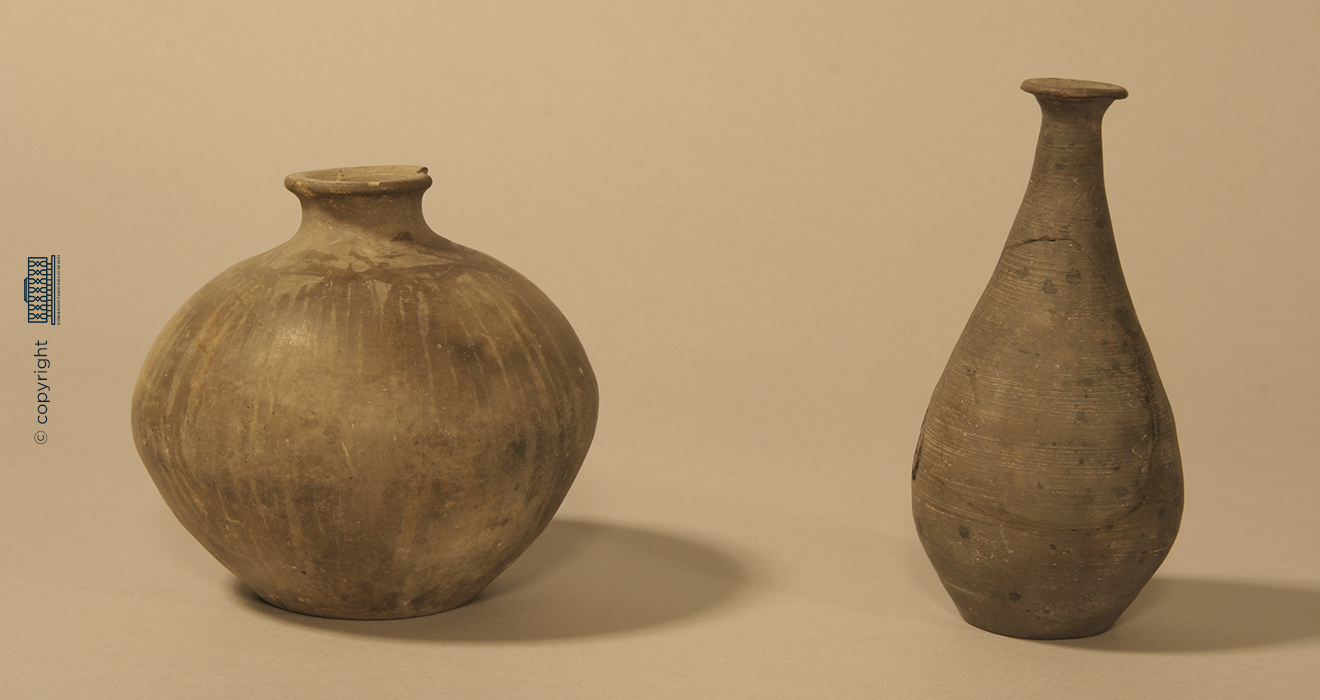
VESSEL Clay, hand-made, fired. 2nd millennium BC. Zamanbaba. The Bukhara region.

fotogalereya_in

JUG Clay, wheel-turned, fired. 17th-16th century BC. Sapallitepa. The Surkhandarya region.

fotogalereya_in

VESSEL WITH A SPOUT Clay, wheel-turned, fired. 2nd millennium BC. Djarkutan. The Surkhandarya region.

fotogalereya_in

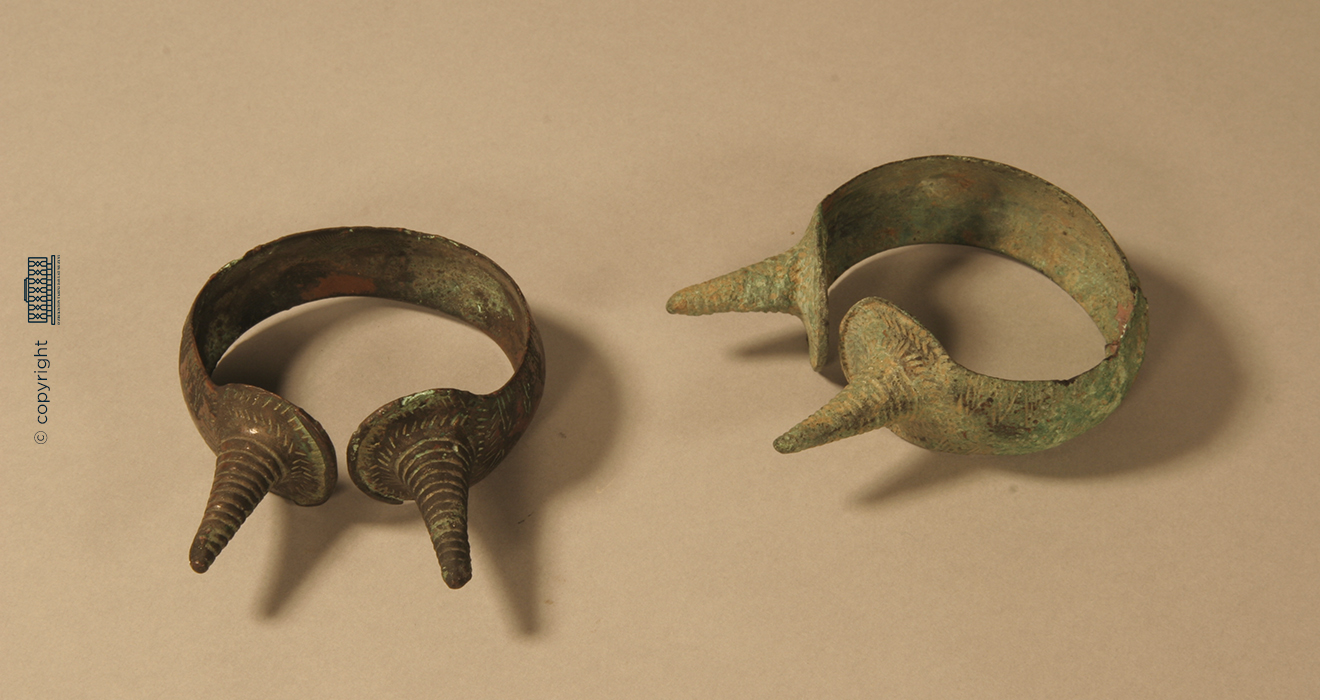
BRACELETS WITH SPIRAL CONES Bronze, cast, engraved. 2nd millennium BC. Iskander. The Tashkent region.

fotogalereya_in

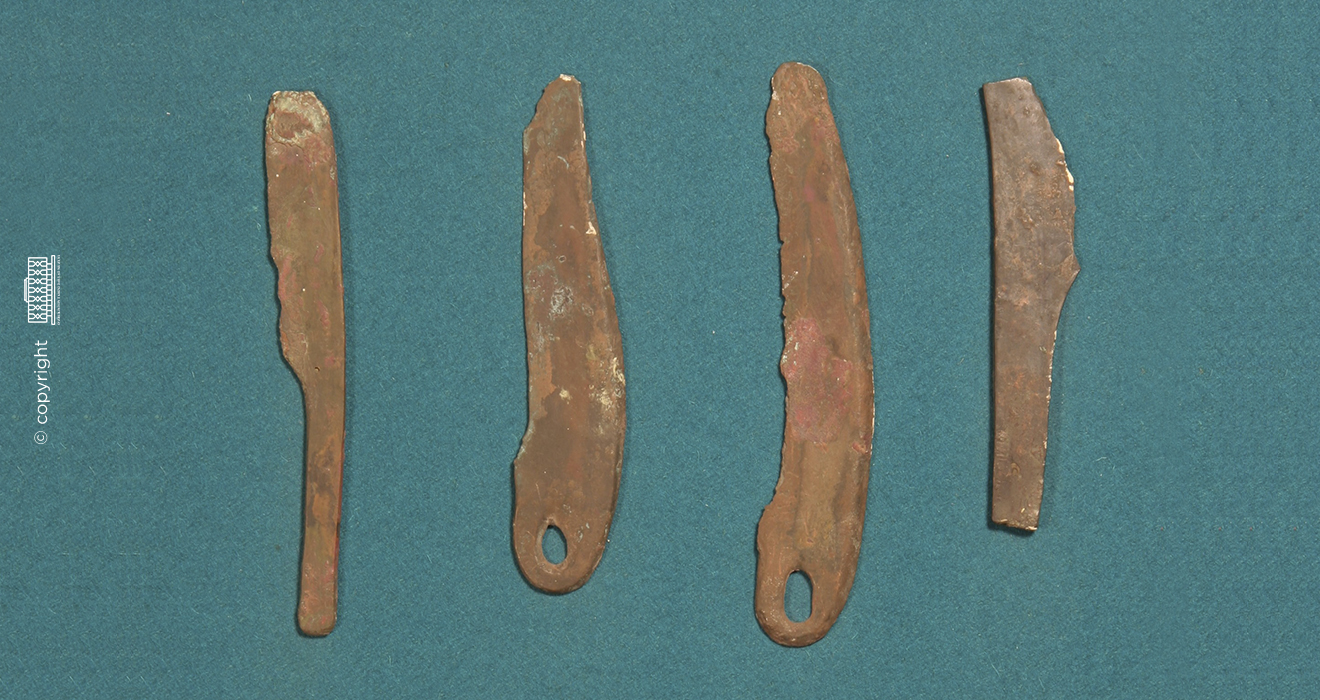
SICKLE-SHAPED KNIVES Bronze, cast. Late 2nd-beginning 1st millennium BC. Kuchuktepa. The Surkhandarya region.

fotogalereya_in

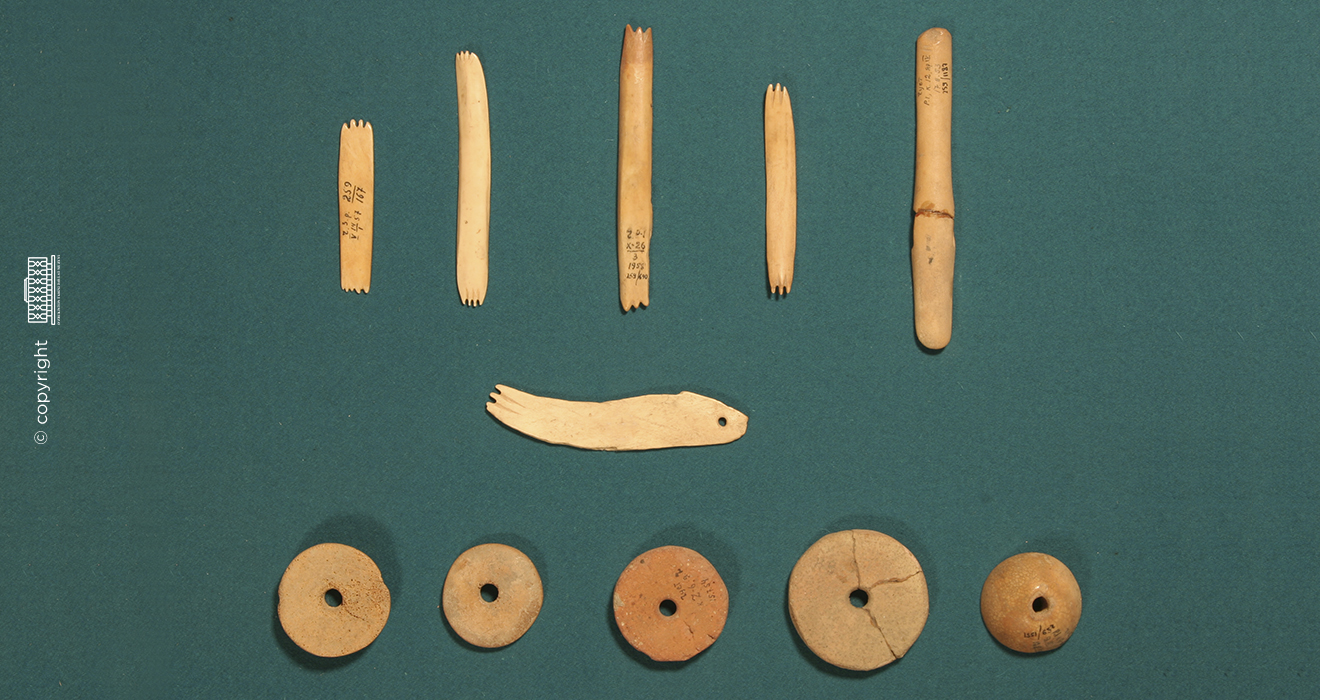
OBJECTS FOR WEAVING 11th-10th century BC. Chust. The Namangan region. Bone, carved, made by grinding.

fotogalereya_in
fotogalereya_in
fotogalereya_in
fotogalereya_in
fotogalereya_in
fotogalereya_in
fotogalereya_in
fotogalereya_in
fotogalereya_in
fotogalereya_in
fotogalereya_in
fotogalereya_in
fotogalereya_in
fotogalereya_in
fotogalereya_in